Burning Smell but No Visible Fire? Electrical Warning Signs
Quick Answer: An electrical burning smell with no visible fire usually means insulation, plastic, or a connection is overheating somewhere you cannot see, often inside a wall, an outlet box, a panel, or an appliance. Treat it as an active hazard. If you see smoke or flames, leave the building and call 911. If you see nothing, turn off power to the affected area at the breaker, unplug what you can safely reach, open a window, and have a licensed electrician find the source before the power comes back on. Do not wait to see whether the smell fades, because overheating wiring often smells before it ignites.
Maybe it happens at 10 p.m. while you are winding down for the night. You catch a sharp, faintly fishy, plasticky odor drifting through the living room. You check the stove. Nothing. You look at the candles. None lit. You walk the hallway, sniff at the outlets, glance at the ceiling, and find no smoke, no glow, and no flames. The smell is just there, and after a few minutes it seems a little weaker. You start to wonder whether you imagined it.
You did not imagine it, and the fact that you cannot see a fire is not the comfort it feels like. Electrical trouble tends to announce itself through your nose before it shows up as anything visible. Wiring, outlet bodies, breakers, and cord insulation all give off an odor when they run too hot, and they do that while they are still hidden behind drywall, inside a metal box, or tucked under insulation in an attic. This article walks through what that smell is telling you, what to do in the first few minutes, how to narrow down where it is coming from without putting yourself at risk, and which causes are common in Northwest Georgia homes and businesses.
Do This First, Figure It Out Second
Electrical safety always comes before curiosity. Before you start hunting for the source, run through a short sequence that protects you and the building.
Look For Smoke, Haze, Or Heat
If smoke, flames, glowing, or hot electrical covers appear, evacuate immediately. Call 911 outside and never investigate.
Cut Power To The Suspected Area
If no smoke appears and the odor is mild, switch off the suspected breaker safely. Avoid damaged panels.
Unplug What You Can Safely Reach
Unplug appliances only when cords and plugs are cool. Leave hot or melted electrical connections untouched.
Ventilate And Keep People Away
Open windows to clear fumes. Keep children and pets away until the affected area is inspected.
Call A Licensed Electrician
Even if odors disappear after shutting off power, arrange professional inspection. The underlying electrical problem may remain dangerous.
Warning: If the smell is strong, if you hear crackling or popping, or if any outlet, switch, or panel is hot, discolored, or scorched, do not touch it and do not reset any breaker. Leave the area and call 911 first, then call an electrician.
What an Electrical Burning Smell Actually Is
People describe the odor in different ways. Some say burning plastic. Others say hot rubber, fishy, chemical, or like a hair dryer that has been running too long. All of those descriptions point to the same event: something that carries electricity is getting hotter than it was designed to be.
Electrical wiring is wrapped in plastic insulation. Outlets, switches, and breaker bodies are made of molded plastic. When a connection is loose or a wire is overloaded, resistance builds at that spot, and resistance turns electrical energy into heat. As the temperature climbs, the insulation softens, darkens, and begins to give off vapors. That vapor is what you smell. The source can be quite small, and the heat can stay confined to a few inches of wire or a single terminal screw, which is why you may smell it strongly in a room and see nothing at all.
National fire research shows why this matters. The National Fire Protection Association reports that US fire departments responded to an estimated 46,652 home electrical structure fires each year from 2020 to 2024. Those fires caused an estimated 527 civilian deaths and 1,580 injuries annually. The same research found that the heat source in roughly 90 percent of these fires was operating equipment, and that arcing from that equipment accounted for about 64 percent of them. Cable wire or cable insulation was the first item to ignite in about 36 percent of cases. In plain terms, most electrical fires begin with wiring and equipment that is running and appears normal, not with something dramatic.
Timing matters too. The same report found that fires between midnight and 8 a.m. made up about 22 percent of home electrical fires but about 52 percent of the deaths, because people are asleep and the early warning signs go unnoticed. A faint smell in the evening that you shrug off is exactly the kind of signal that gets ignored until the middle of the night.
The Most Common Hidden Sources
Because there is no visible fire, the useful question is where the heat could be hiding. These are the places an electrician looks first, and they are also the causes most homeowners and business owners eventually discover.
A Loose Connection At An Outlet Or Switch
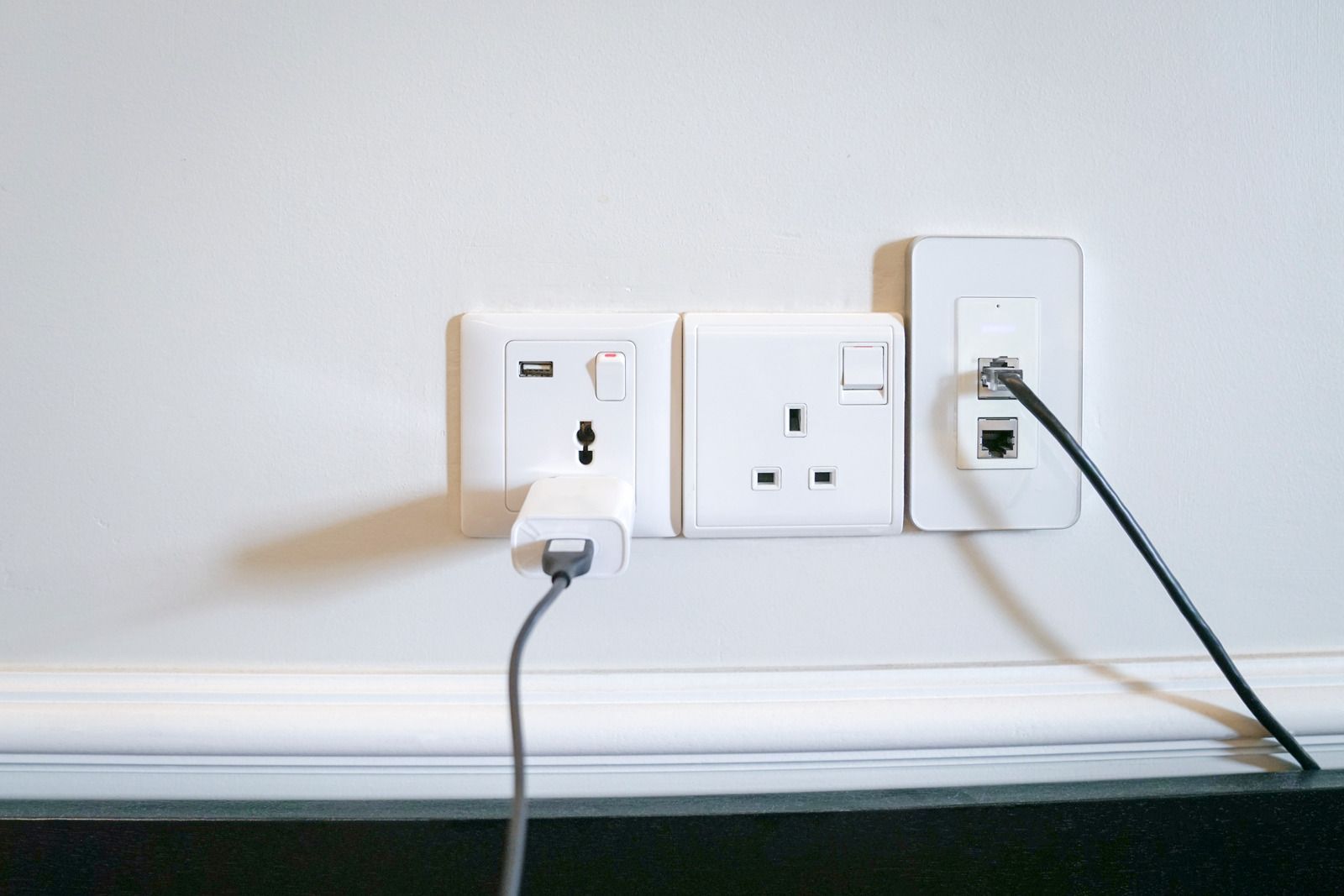
Loose wires or poorly secured terminals create electrical resistance, generating heat that gradually damages surrounding plastic. Yellowed covers, warm outlets, or brown discoloration can indicate dangerous connections requiring professional inspection.
An Overloaded Circuit
Too many high-powered appliances on one circuit can generate excessive heat. Although breakers should trip, faulty or mismatched breakers may fail, allowing overheating and persistent burning odors near outlets.
A Failing Breaker Or A Loose Connection In The Panel
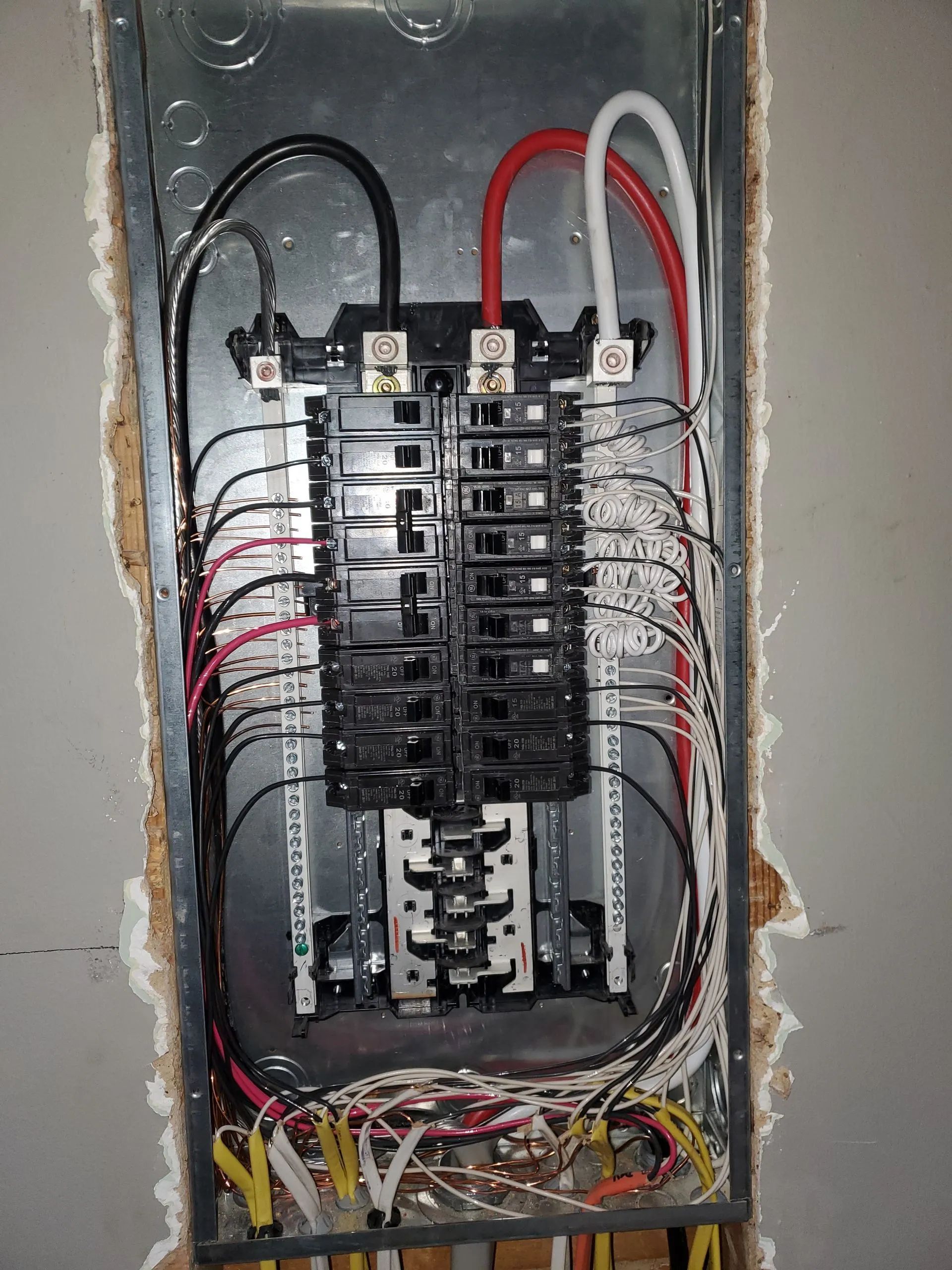
Worn breakers, poorly seated connections, or loose wires inside electrical panels can overheat. Warning signs include burning plastic odors, buzzing, or warmth, requiring prompt professional attention because panels supply entire buildings.
Damaged Or Aging Wire Inside A Wall Or Attic
Aging insulation, rodent damage, and crushed wires can cause electrical arcing and intense localized heat. Intermittent arcing may produce recurring odors, while hot attics accelerate insulation deterioration and increase risks.
A Failing Appliance, Motor, Or Power Supply
Faulty dryer components, refrigerator relays, seized fan motors, or damaged chargers can produce burning electrical odors. If the smell concentrates around an appliance, discontinue use and arrange appropriate inspection.
An Overheated Light Fixture Or The Wrong Bulb
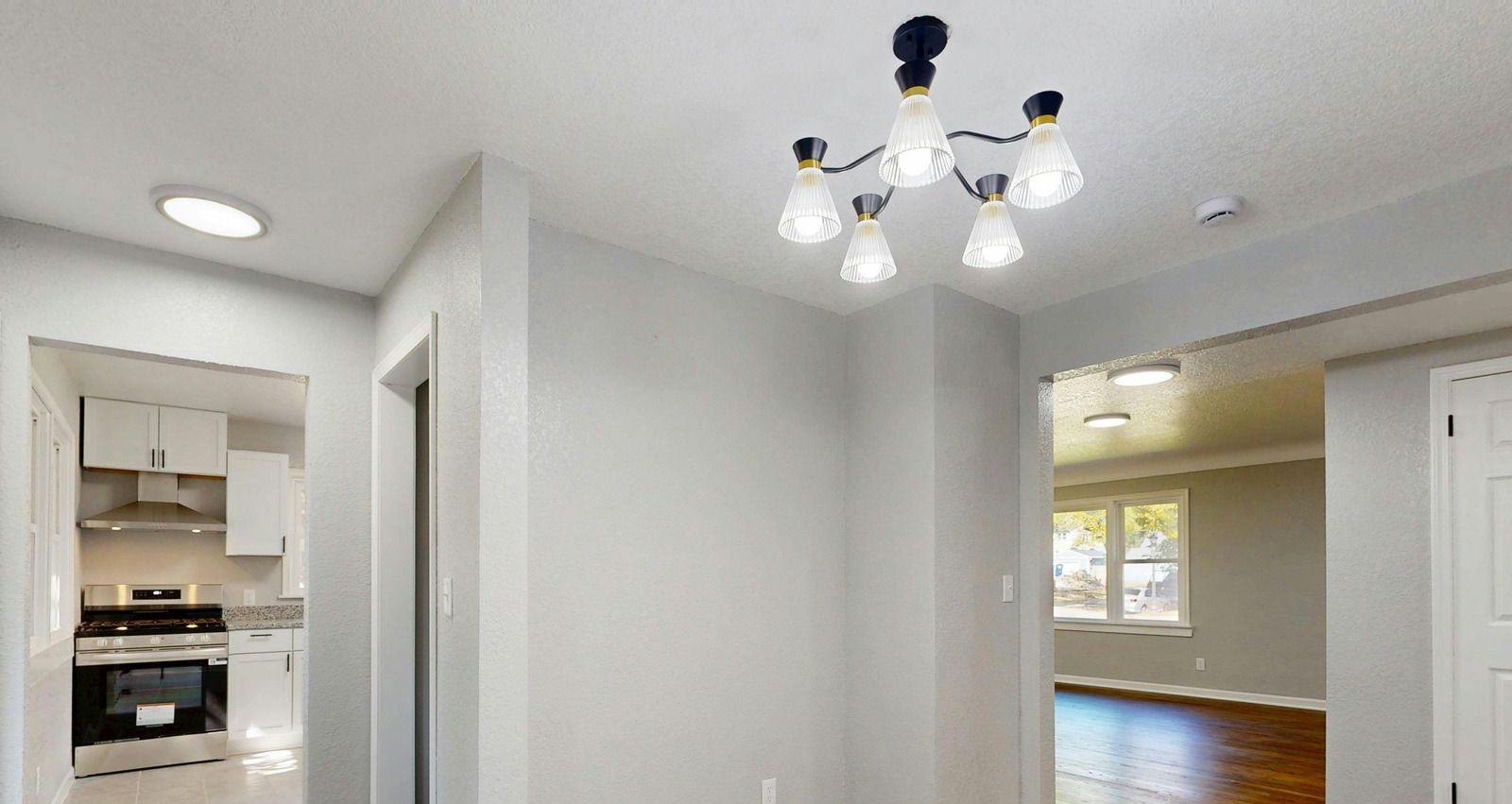
Bulbs exceeding fixture wattage ratings can overheat sockets and insulation, especially inside enclosed fixtures. Burning odors appearing shortly after switching lights on warrant immediate attention and checking fixture compatibility.
Dust Burning Off A Heating Element
Dust burning on heating elements can create brief odors when heaters operate after months of inactivity. The smell should fade quickly; persistent, plastic-like, or fishy odors require electrical inspection.
Tip: Notice when the smell appears. Does it show up when the AC kicks on, when a particular light is switched on, when the dryer runs, or only in the evening when several things are running at once? That pattern, written down with the time and the room, can save an electrician a lot of searching.
How to Narrow It Down Without Taking Risks
There is a safe way to gather information and an unsafe way. The safe way uses your eyes and nose from a distance and leaves everything inside the walls and panel alone.
Follow The Smell With The Power Off
After switching off the suspected breaker, carefully identify where the odor is strongest. Check outlets, switches, fixtures, fans, and appliances without touching electrical components.
Look For Discoloration Without Touching
Inspect cover plates, outlets, switches, walls, and ceilings for stains, melting, or scorch marks. Check appliance cords for cracking, flattening, or softened insulation.
Rule Out The Simple Causes
Unplug appliances only when safe, then check whether the smell remains. Verify bulb wattage. Stop using any appliance clearly associated with the odor.
Check The Panel From The Outside
Inspect the closed panel for discoloration, melting, buzzing, or crackling. Never remove its cover because incoming service wires may remain energized despite switching off breakers.
Do Not Restore Power To Test Your Theory
Never reactivate a circuit to check whether the smell returns. Keep power off until an electrician investigates, unless a clearly harmless cause explains the odor.
What You Should Not Do
Some reactions feel responsible and make the situation worse.
Do Not Wait And See
A fading smell does not mean safety. Overheating may resume when electricity flows again.
Do Not Open Walls, Outlets, Or The Panel Yourself
Electrical components may remain energized despite switched-off breakers. Leave inspections and repairs to licensed electricians.
Do Not Reset A Breaker Repeatedly
Repeatedly resetting tripped breakers can worsen electrical faults. Keep power off until professionals identify the problem.
Do Not Mask The Smell
Avoid air fresheners, candles, or fans that conceal warning signs. Ventilate safely without masking the underlying electrical odor.
Do Not Use Water On An Electrical Fire
Evacuate immediately if fire starts. Never use water; use an appropriate electrical fire extinguisher only when safe.
Storms, Older Homes, and Northwest Georgia Conditions
Where you live shapes the most likely causes. Around Rome, Cartersville, Calhoun, Cedartown, and across Floyd County, a few local conditions come up again and again.
Storm Season And Power Surges
Thunderstorms and power fluctuations can damage insulation, appliances, breakers, and outlet connections. If burning odors appear after severe weather, tell your electrician about recent storms.
Older Housing Stock
Older homes often have wiring designed for lighter electrical demands. Modern appliances can overload aging circuits, while brittle insulation and worn connections increase overheating risks.
Hot Attics And Crawl Spaces
Georgia's hot attics accelerate wiring insulation deterioration, while recessed lights can overheat beneath insulation. Crawl spaces introduce moisture and rodents that damage electrical wiring.
Cold Snaps And Space Heaters
During freezing weather, portable heaters often overload unsuitable circuits or extension cords. These conditions increase overheating risks, making burning odors particularly concerning during winter months.
Rural Properties And Outbuildings
Detached garages, barns, workshops, and well pumps often rely on long wiring runs and added circuits. Damaged feeds and loose connections can overheat unnoticed in remote locations.
Warning Signs That Travel With the Smell
A burning smell rarely arrives alone. If you can match the smell to any of the following, that is useful information and more reason to act.
Flickering Or Dimming Lights
Lights that flicker or dim unexpectedly may indicate loose connections or overloaded circuits.
Warm Or Discolored Outlets And Switches
Warm cover plates, yellowing, or brown streaks suggest dangerous heat buildup behind electrical components.
Buzzing, Crackling, Or Sizzling Sounds
Buzzing, snapping, or sizzling noises can indicate electrical arcing that requires prompt professional inspection.
Breakers That Trip Often Or Will Not Stay On
Repeated breaker trips indicate possible overloads or electrical faults requiring professional investigation.
Sparks When Plugging Something In
Visible sparks, popping sounds, or burning odors after plugging something in require immediate attention.
A Tingling Shock From An Appliance Or A Metal Fixture
Any tingling sensation from appliances or metal fixtures indicates a potentially dangerous electrical fault.
Fuses That Blow, Or A Panel That Is Warm
Repeatedly blown fuses or warm electrical panels signal dangerous overheating requiring prompt professional attention.
If the burning smell is paired with any one of these, there is a good chance the cause is real wiring trouble and not a passing odor.
What an Electrician Does When You Call
Knowing what to expect makes the call easier. A licensed electrician approaches a burning smell as a diagnostic problem, working through the possibilities from most likely to least likely.
Start With Your Story
Explain where the smell was strongest, what was running, when it started, and whether it happened previously.
Test Before Opening
The electrician measures circuit loads and voltage, checks components, and uses thermal imaging to locate hidden overheating connections.
Inspect The Panel
Using proper safety equipment, the electrician checks for scorched bus bars, damaged breakers, and loose conductors, replacing faulty components.
Trace The Circuit
If damage lies inside walls or ceilings, the electrician traces wiring to locate failed splices, pinched cables, or deteriorated connections.
Repair The Cause And The Damage
The electrician repairs connections, replaces damaged components, and addresses overloaded circuits through load balancing or dedicated wiring.
Confirm The Repair
The electrician tests the repaired circuit under load, confirming connections remain secure and overheating has stopped before restoring power.
Honest troubleshooting also means the electrician will tell you when a smell turns out to be an appliance problem or a harmless burn off. Ruling out a cause is a legitimate result, and it is better to learn that than to guess.
Preventing the Next Burning Smell
You cannot prevent every electrical failure, but a few habits cut the odds meaningfully.
Respect Circuit Limits
Distribute high-draw appliances across separate circuits. Avoid sharing circuits or extension cords with heaters and microwaves.
Replace Worn Cords And Power Strips
Replace cracked cords, bent plugs, and loose connections. Never use power strips for heavy appliances or heaters.
Match Bulbs To Fixtures
Check fixture wattage ratings before installing bulbs. Enclosed fixtures and recessed lights require particular attention to heat limits.
Test Your Smoke Alarms
Test smoke alarms monthly and replace units older than ten years. Working alarms provide essential early fire warnings.
Schedule A Safety Inspection For Older Systems
Have older panels and original wiring professionally inspected. Regular inspections identify deteriorating components and loose electrical connections.
Fix Small Signs Early
Address warm outlets, flickering lights, and recurring breaker trips promptly. Early repairs help prevent more serious electrical hazards.
Tip: Take a photo of your breaker panel directory and the outlets near the smell, then jot down the date and the circuits involved. Having that record ready makes your call to an electrician faster and more useful.
Frequently Asked Questions
Can an electrical burning smell go away on its own?
The smell can fade when the load drops, but the cause stays. The loose connection or damaged wire will heat up again once the circuit is used, so a fading smell still calls for a professional check.
What does an electrical fire smell like?
Most people describe burning plastic, hot rubber, or a sharp chemical or fishy odor. It comes from heated wire insulation and molded parts, and it often has an acrid edge that stings the nose.
Is it safe to stay home if I smell burning but see no fire?
If you notice smoke, a hot wall or outlet, or crackling, leave and call 911. If the smell is faint, switch off the area’s breaker, ventilate, avoid the room, and call an electrician right away.
Could the smell be coming from my furnace or air conditioner?
Yes. A heater idle for months can burn off dust briefly. If the odor lasts beyond a few minutes or smells like plastic, turn the system off at the thermostat and breaker and have it evaluated.
Should I turn off the main breaker if I cannot find the smell?
If the smell is persistent and you cannot locate it, shutting off the main breaker is a reasonable precaution. The service lines and panel interior stay energized, so never open the panel yourself.
How soon should I call an electrician after a burning smell?
Call as soon as the area is safe. A hidden connection can go from warm to hot quickly, so treat it as urgent if the smell returns or comes with warm outlets, flickering lights, or tripping breakers.
A Burning Smell Is Never Worth Ignoring
An electrical burning smell with no visible flames is the earliest warning most homes and businesses ever get. The heat is hiding in a loose outlet connection, an overloaded circuit, a tired breaker, or aging wire inside a wall, and it will keep building until someone deals with it. Cutting power to the area, ventilating, and keeping the circuit off until it has been checked protects everyone inside. A smell that fades only means the load dropped, not that the cause went away.
Wright Electrical Services LLC
has spent 26
years helping property owners in Rome, GA, trace problems like this to their real source, and the pattern is familiar. Storm surges, older wiring, hot attics, and winter space heaters all leave their mark on connections over time. Acting on the first faint odor, noting when it appears, and getting the circuit properly inspected keeps a small repair from becoming an
emergency, and it lets everyone sleep soundly at night.